
Georgia Study
In 2012, Emory University partnered with the community-based Southeastern Kidney Transplant (SEKTx) Coalition and ESRD Network 6 (data coordinating center in GA, NC, and SC) to collect and analyze data on ESRD patients at early steps in the kidney transplant process, including referral for transplant from all three transplant centers in Georgia (GA) from 308 Georgia dialysis facilities from January 2005 to September 2011, followed up through September 2012.
We found that there was substantial variability in transplant referral rates* and practices among dialysis facilities in Georgia with ~24.4% of incident ESRD patients referred for kidney transplantation between 2005-2012 (range: 0% to 75%)
We also found significant inequities in access to referral attributable to patient- (e.g., race, sex, ESRD etiology), facility- (e.g., profit status, patient-to-social worker ratio), and neighborhood- (e.g., neighborhood poverty) level factors.
*Referral rate defined here as the proportion of patients referred from a dialysis facility to one of three adult kidney transplant centers in GA within 1-year of dialysis start
Regional Study
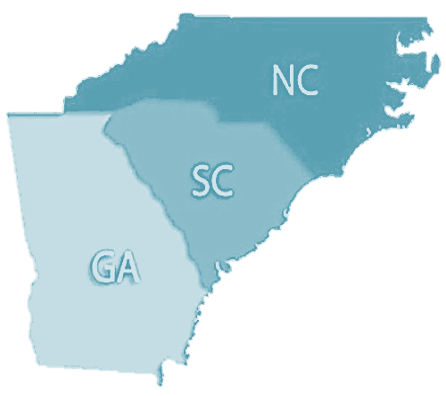
These preliminary results led to the development of the expansion of this data collection on referral and including information on evaluation to include NC and SC.
Data was gathered on adult patients with ESKD (End Stage Kidney Disease) (18-79 years) patients from 690 dialysis facilities from Jan. 1st, 2012, through Aug. 31st, 2016, followed through Feb. 2018.
We found substantial dialysis facility-level variation in access to referral and evaluation start within 6 months of the patient’s first referral date among those referred.
Expansion of Data Collection

Building on our regional success, we received additional funding in 2019 to expand our partnership with ESRD Networks, extending our work to four regions:
- Network 1 (New England) – Maine, New Hampshire, Vermont, Massachusetts, Rhode Island, and Connecticut
- Network 2 (New York) – New York
- Network 6 (The Southeast) – North Carolina, South Carolina, and Georgia
- Network 9 (The Ohio River Valley) – Indiana, Kentucky, and Ohio
Although funding under the initial grant that supported this expansion has concluded, we continue to collect data, and data collection is currently open. To date, we’ve gathered data from 37 transplant centers, creating the only multi-regional pre-waitlisting datasets available.
Our next round of data collection is currently active, with a goal of collecting data from more transplant centers in these 4 networks (collecting data through 12/31/2024). Inclusion of the new centers will help us to strengthen the scientific quality and rigor of the referral data collected.
 Early Steps to Transplant Access Registry (E-STAR)